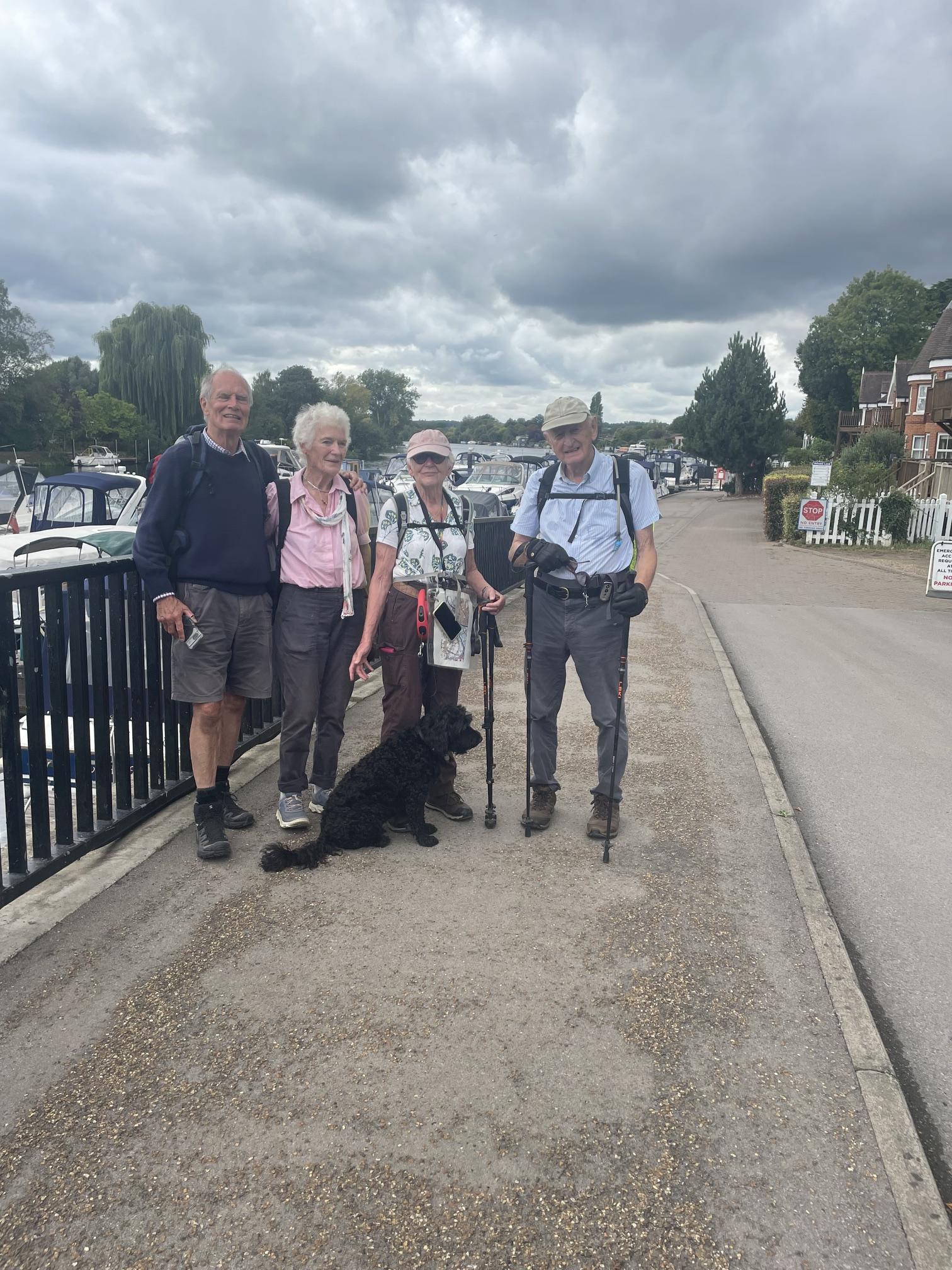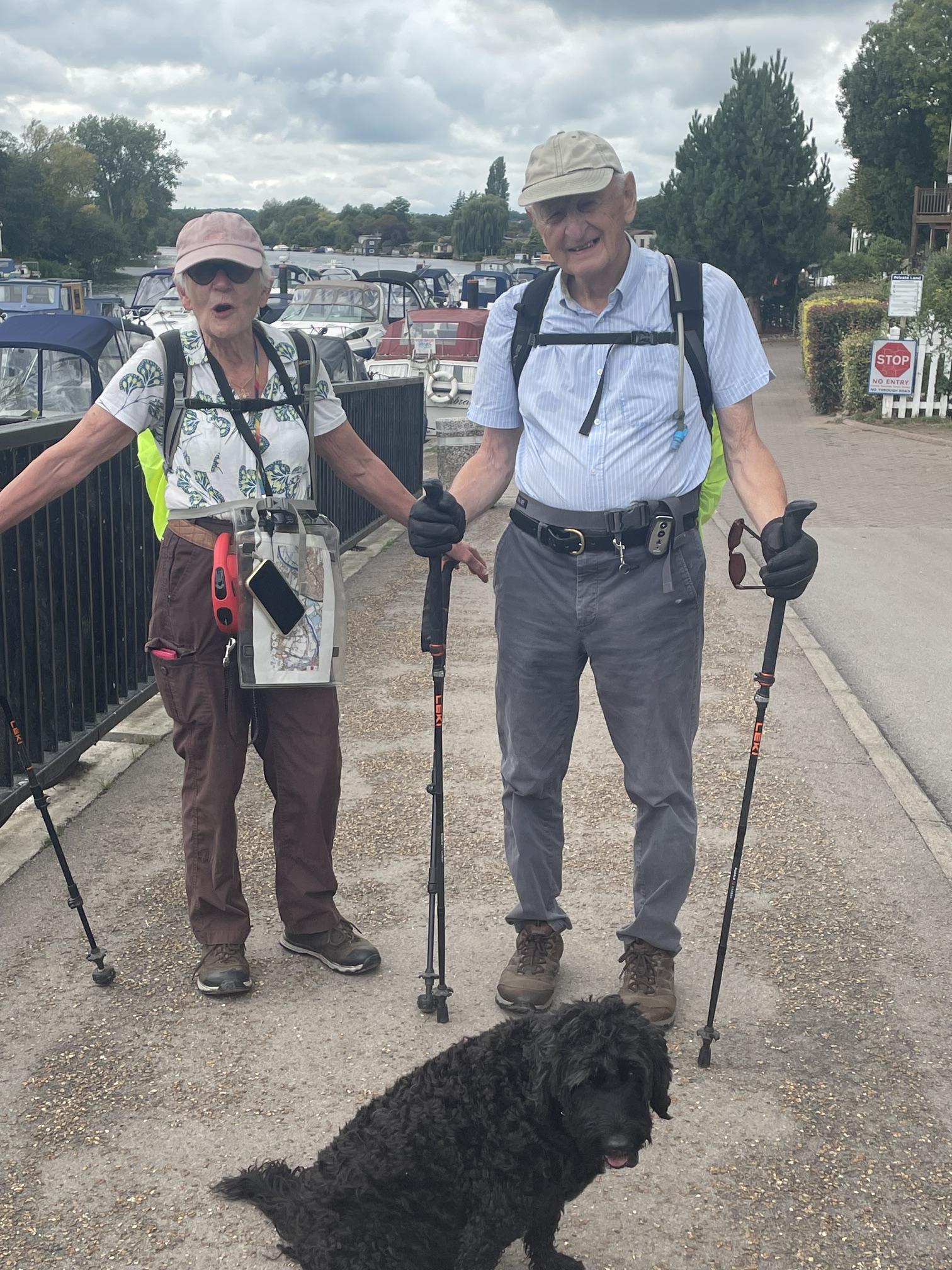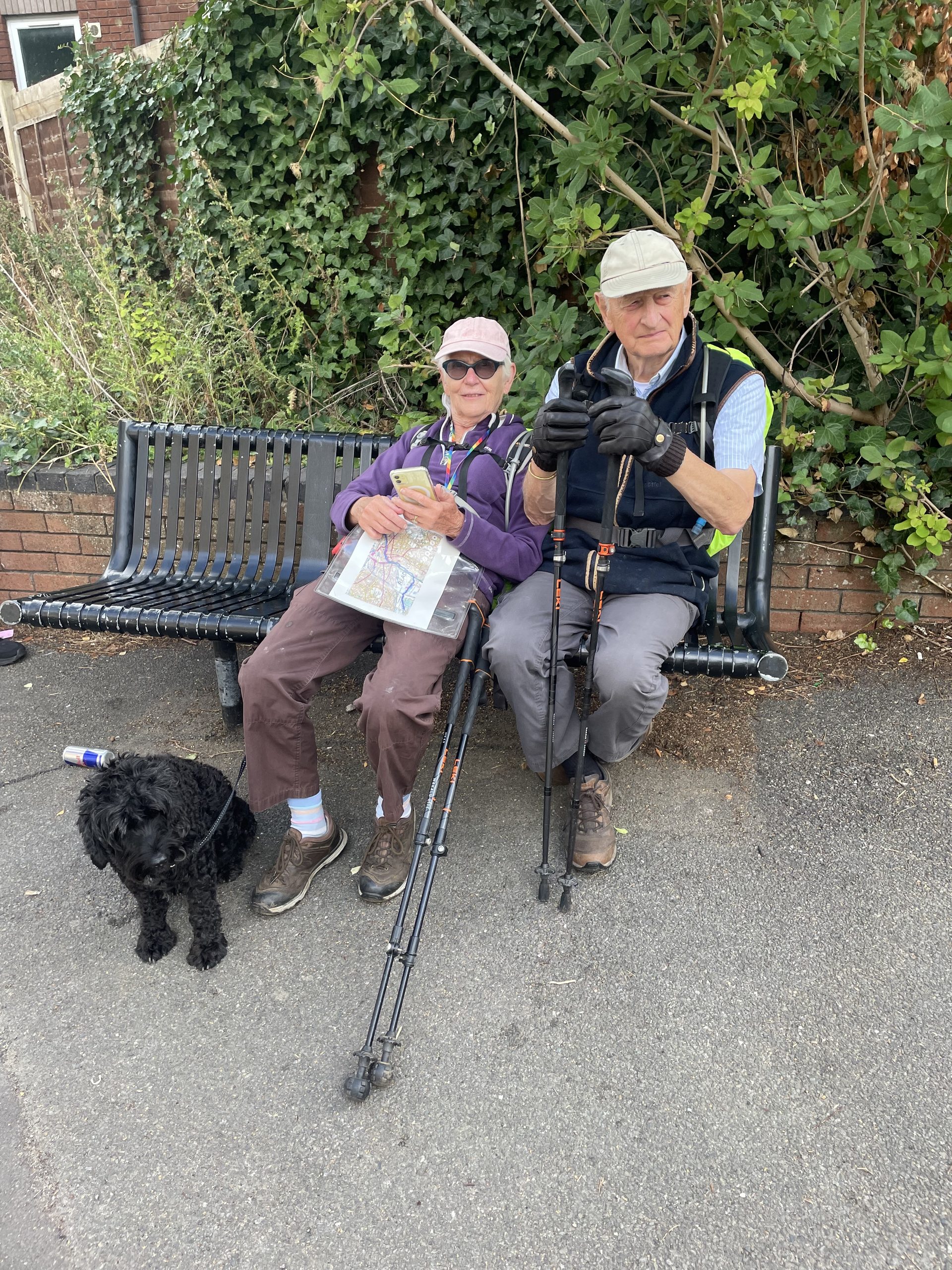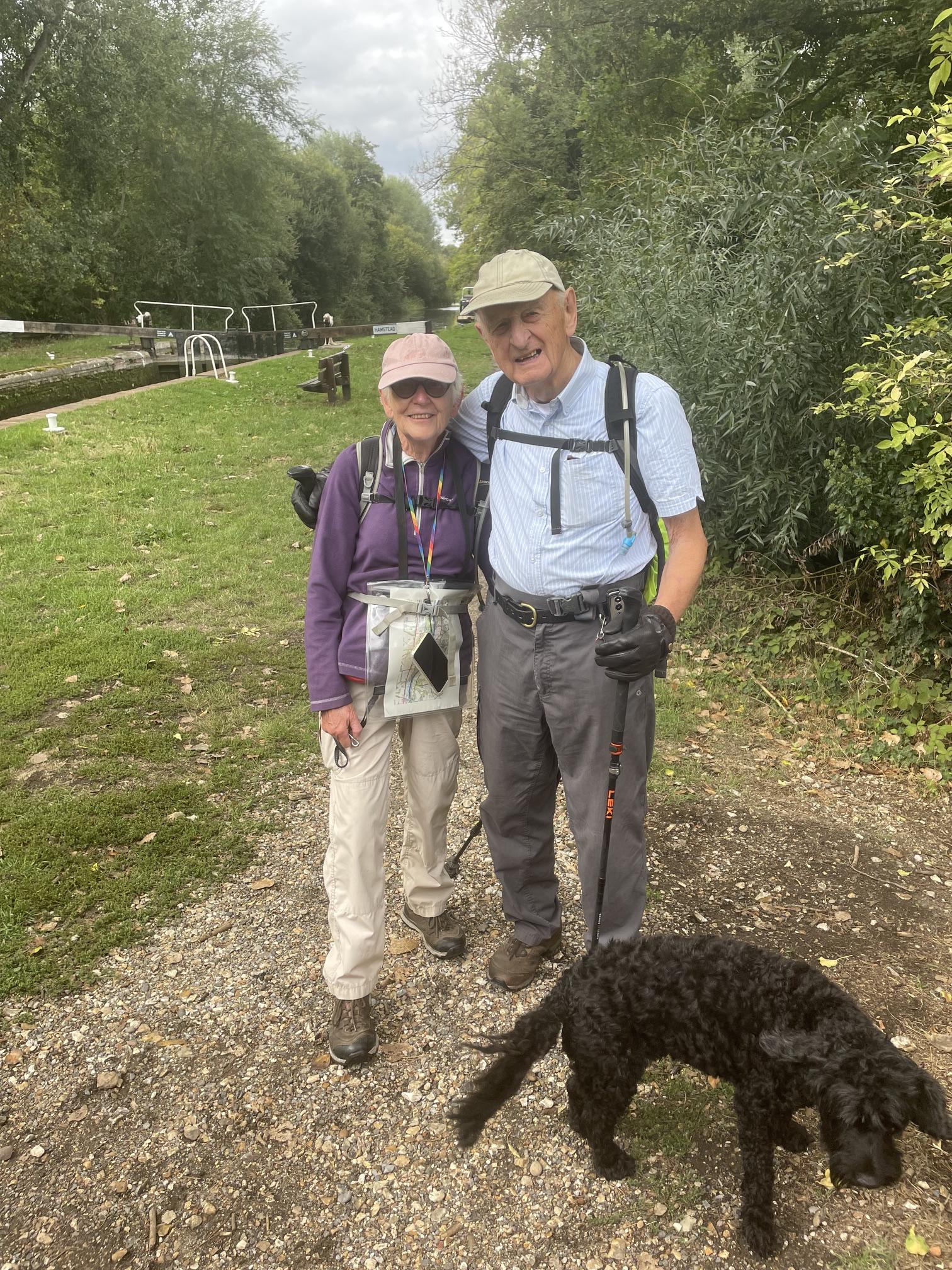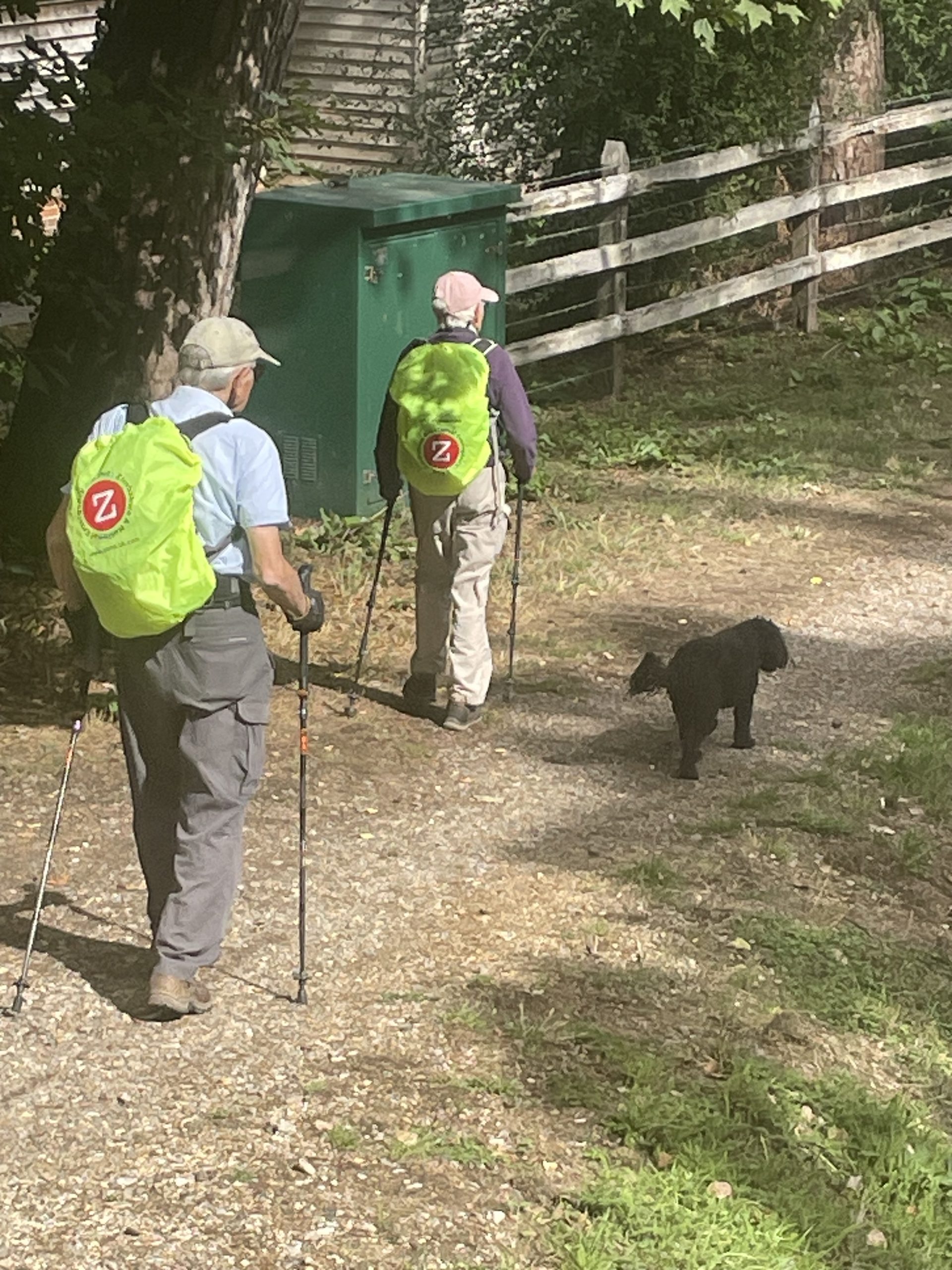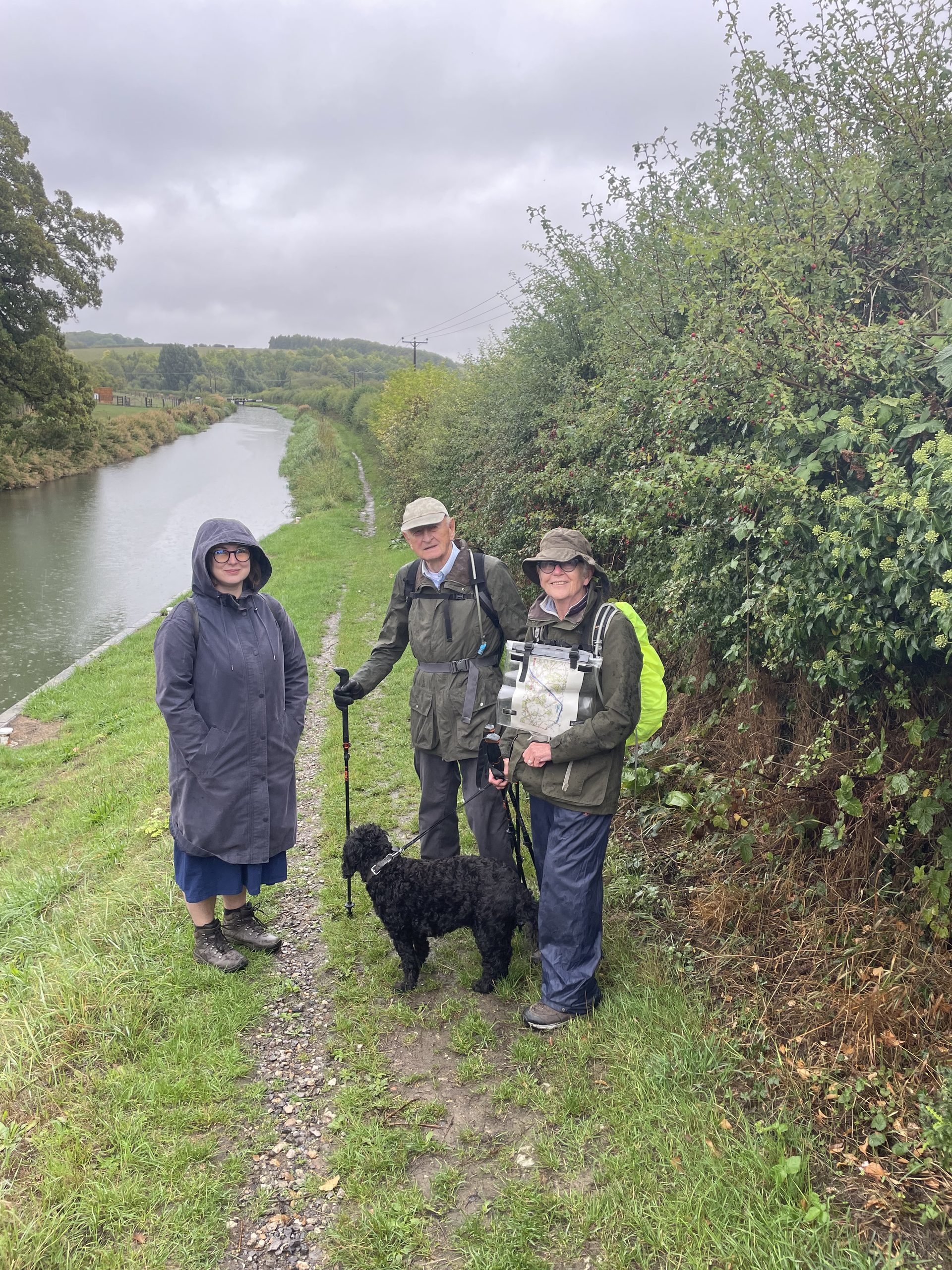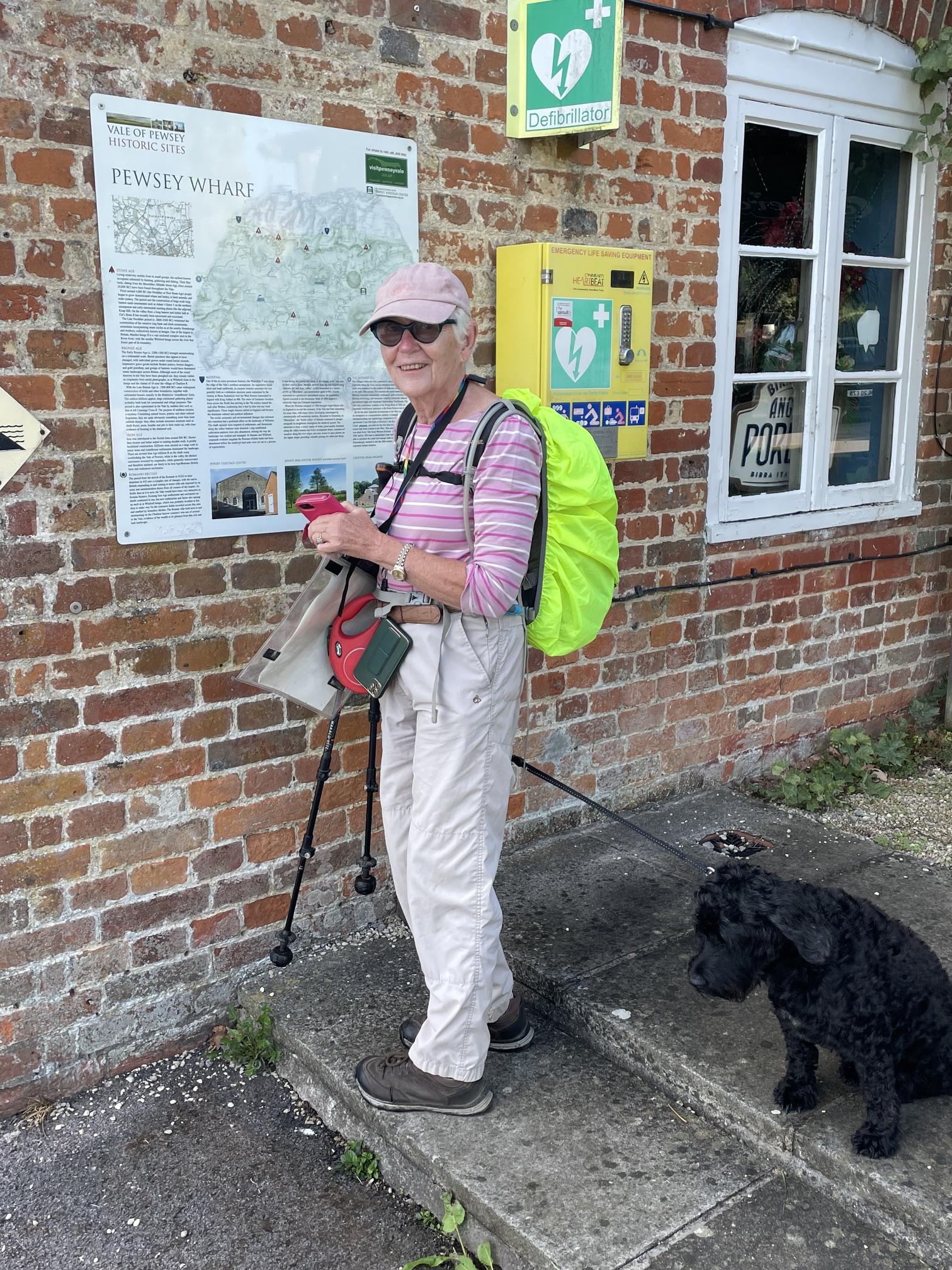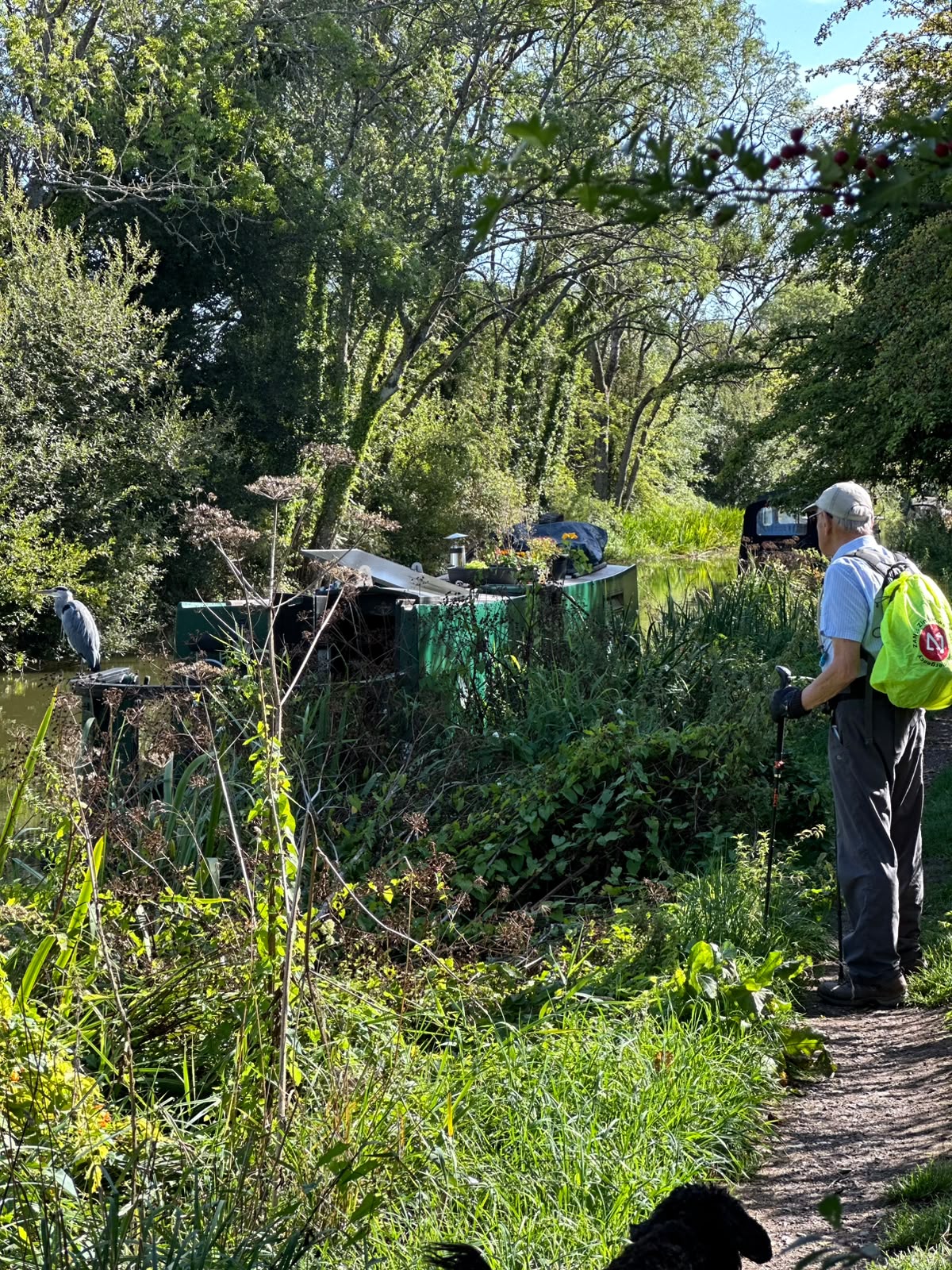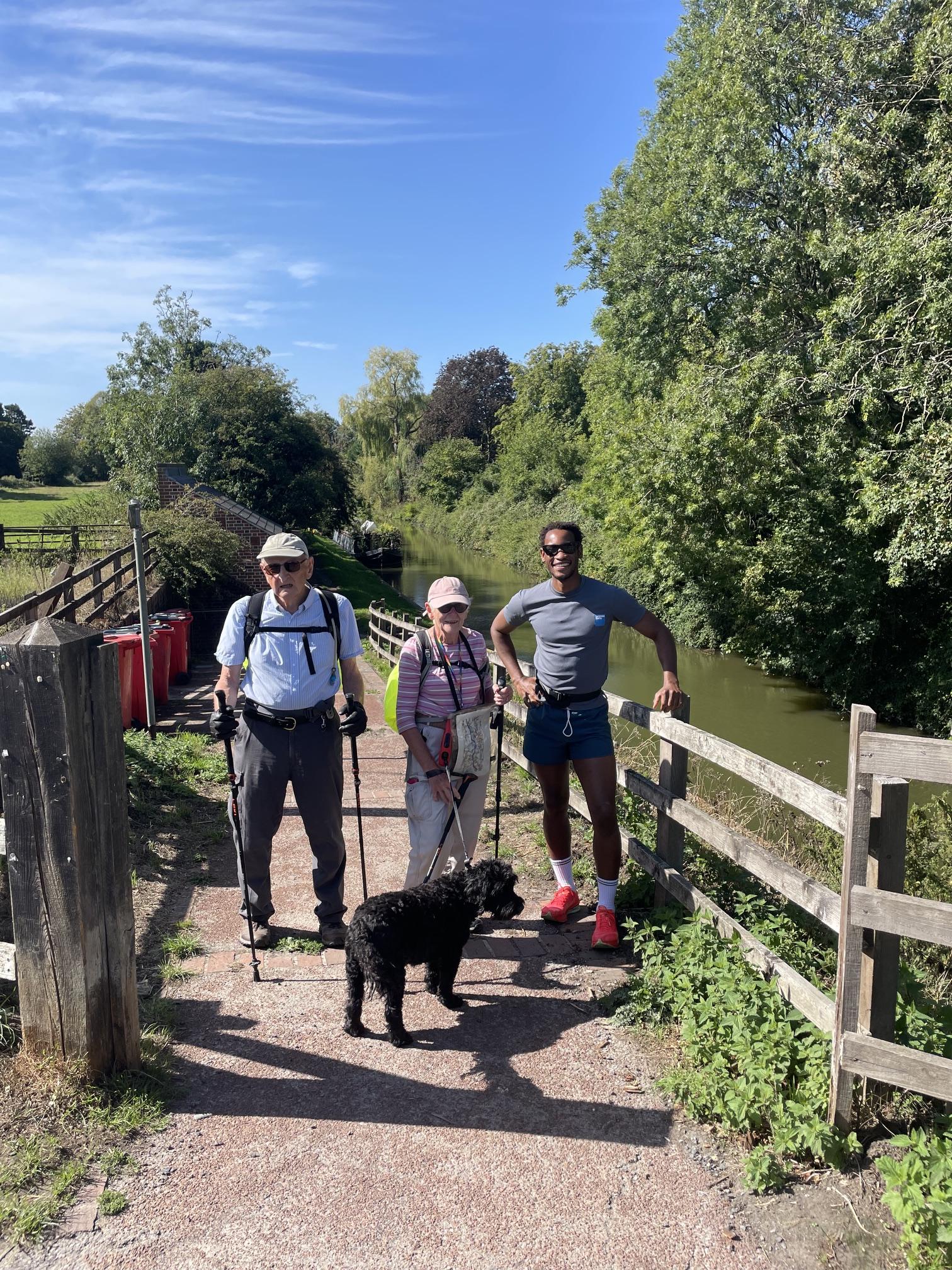
So we have at last finished our walk. It quite a moment. Over the years all told Jane and I and various dogs have walked over 2,500 miles round Britain: so it’s hard now to find anywhere new we haven’t walked though!
We are grateful to the hosts who have been generous. The only problem I have to warn them about is not to be startled if they wake up at 3am to find me wondering round their bed-room. I have no malign intent, I’m only trying to find the loo.
This is the sixth walk accompanied by driver Richard Moyles. Always kind and considerate he is also vastly competent and he never fusses. What a gift he is to us and to ZANE. And now he has become a good friend (and Moses).
And many thanks to our efficient team.
This Blessed Plot
Political hacks tell us that the UK is “broken”.
Really? There are 2.3bn people worldwide who speak English; it’s the accepted language of the internet and universally used in trade and navigation. We are the home of Shakespeare, the Magna Carta and the Mother of Parliaments. We created basic human rights, contract law, the basics of international trade, the Greenwich Meridian and the laws of longitude and navigation. The UK was the home of the first Industrial Revolution, the birthplace of railways.
We are a permanent member of the UN Security Council and one of the founding members of the United Nations. The first meeting of the UN General Assembly was held in London. We are a nuclear power, a cornerstone of the NATO Alliance and the driving force behind the creation of the Commonwealth. Eighty years ago, the UK stood alone against tyranny and in support of freedom; we stood by our allies. We were at the forefront of the abolition of slavery, and we provide a sanctuary to the persecuted.
The UK has just overtaken India as the fifth-largest economy in the world. London is the world’s leading financial centre, and a world leader in fintech, medical research and AI. The UK’s financial and legal sectors and its reputation for integrity are the envy of the world.
Inventors and Innovators
The World Wide Web was invented by a Brit, Sir Tim Berners-Lee. Alan Turing was the father of AI, and we created Google DeepMind. The UK has more “unicorn” billion-dollar businesses than France and Germany combined. In sport, we invented football, tennis, cricket and rugby, and founded the Paralympic movement. The UK’s Premier League is the most watched sporting event in the world, broadcast in more than 200 countries. We created Formula One – the most technical of all sports – and seven of the 10 teams are UK-based.
The UK is the Land of Enlightenment. Hume, Smith and Locke were British, while Newton’s laws of motion and Darwin’s theory of evolution continue to shape our understanding of the world. It’s also the home of medical innovation – Fleming discovered penicillin, while British scientists pioneered CT and MRI scanning as well as IVF. British researchers made major contributions to understanding DNA – the building block of life itself – and are at the forefront of vaccine development. The UK is home to four of the world’s top 10 universities while Britons have won 148 Nobel Prizes, second only to the US. The University of Cambridge alone is affiliated with more Nobel Prizes than Germany.
Broken… really?
What, then, is it that has held this country together through a thousand years of upheaval? Here are three very different voices reflecting on that question…
“This blessed plot, this earth, this realm, this England.”
Richard II, Act 2, Scene 1
“And what should they know of England who only England know?”
Rudyard Kipling, “The English Flag”, 1891
“Tell us what it is that binds us together; show us the clue that leads through a thousand years; whisper to us the secret of this charmed life of England, that we in our time may know how to hold it fast.”
Speech by Rt Hon Enoch Powell to the Royal Society of St George, 22 April 1961.
(With apologies to Scotland, Wales etc.)